





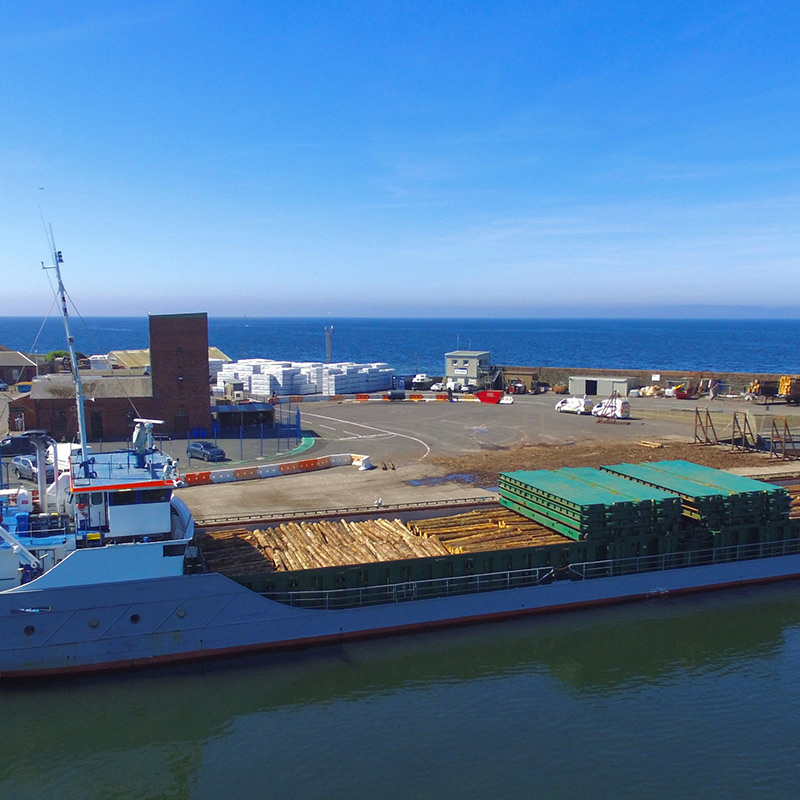
Our operations generate greenhouse gas (GHG) emissions from the fuel and electricity consumed by our vessels, equipment, vehicles, and facilities. We have a role to play in both reducing our own fuel and power consumption – and therefore emissions – and also in enabling the UK’s energy transition to limit the impact of climate change.
Air quality is important as it affects not only our employees and customers, but also the local communities surrounding our ports. Therefore, we have a responsibility, together with the shipping lines and inland-logistics providers using our ports, to outperform national ambient air-quality objectives.
Our port estate includes terrestrial and marine habitats for flora and fauna, which should be protected, and enhanced where possible. We will seek to drive a net- positive biodiversity impact from our development projects and day-to-day operations, which we will be able to measure and value.
Our operations generate different types of waste. Partnering with our employees, we want to limit the amount of waste created, ensure we segregate and recycle as much of it as possible, and minimise the amount that ends up being incinerated or in landfills.
Since we started measuring greenhouse gas emissions in 2014, ABP has made great progress. We have reduced Scope 1 and 2 emissions by 38% between 2014 and 2021.
Our sustainability strategy aims to eliminate the source of emissions, primarily through replacing diesel-burning assets, rather than through burning alternative fuels which may provide only partial benefits.
We chose 2040 as the target year to achieve Net Zero emissions from our own operations, after conducting research which deemed earlier Net Zero target years to be too dependent on optimistic assumptions related to the pace of technological innovation.
GHG emissions reduction by asset type (tCO2e)
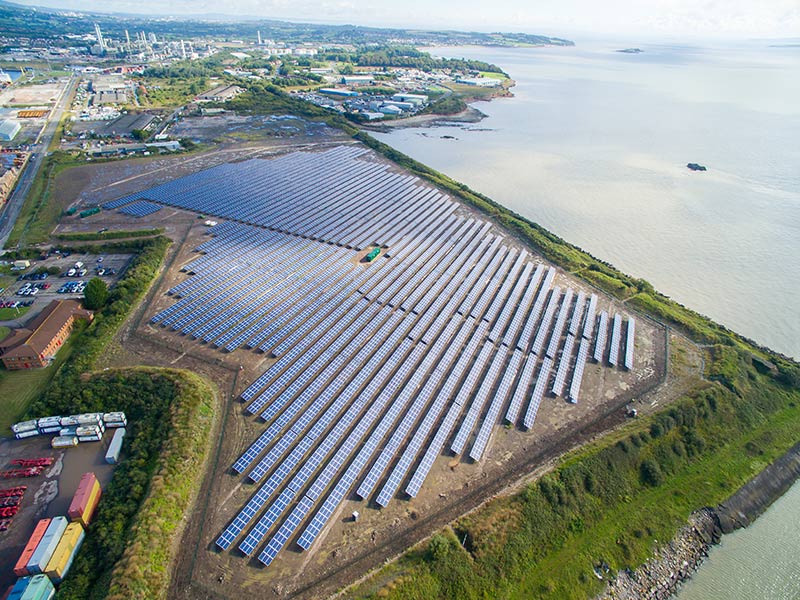
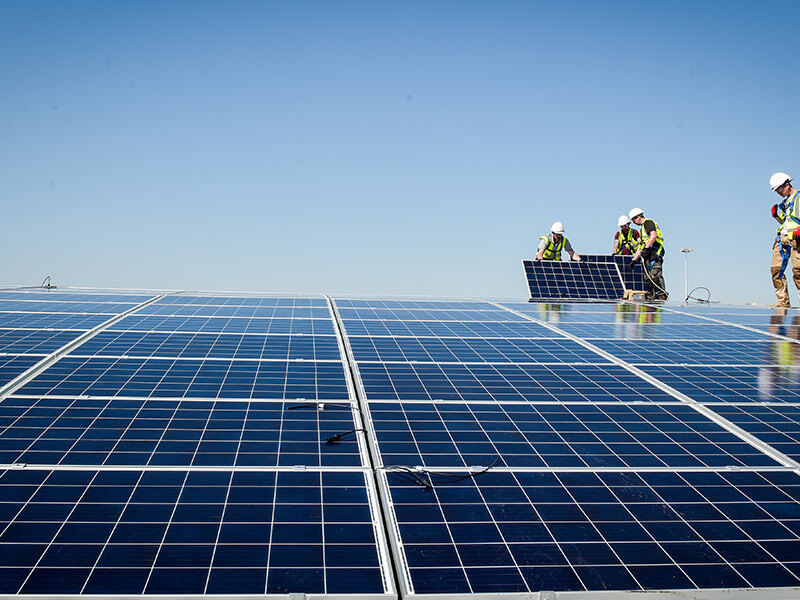
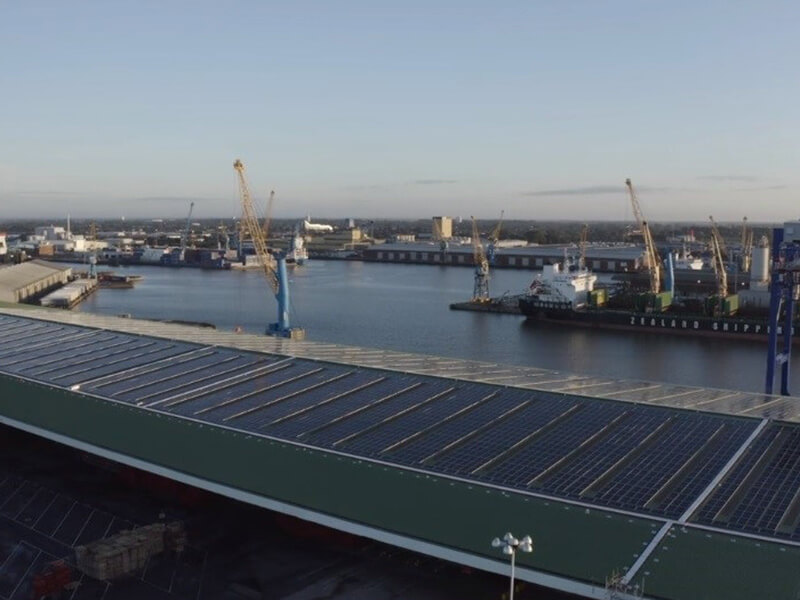
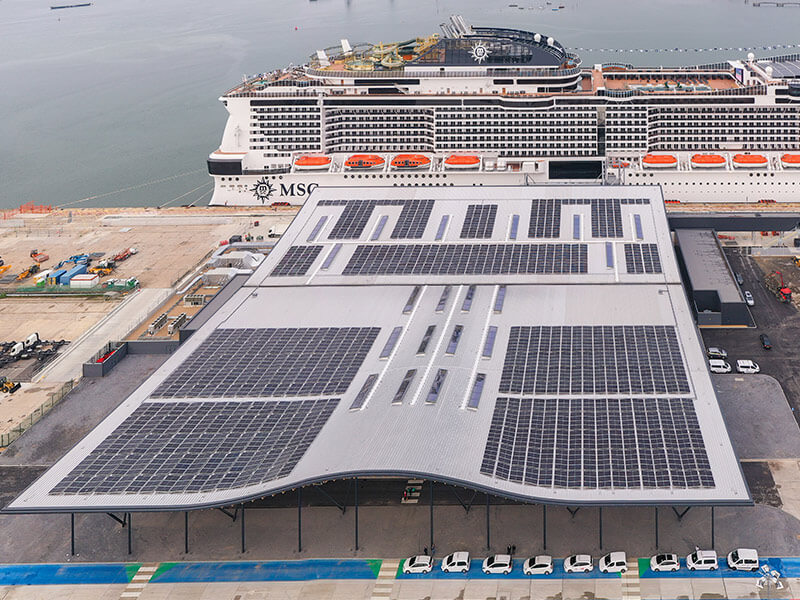
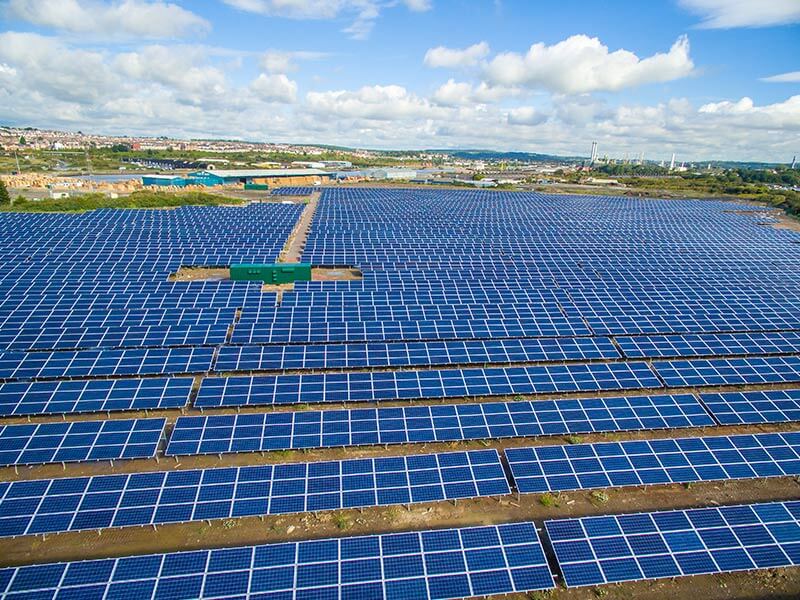
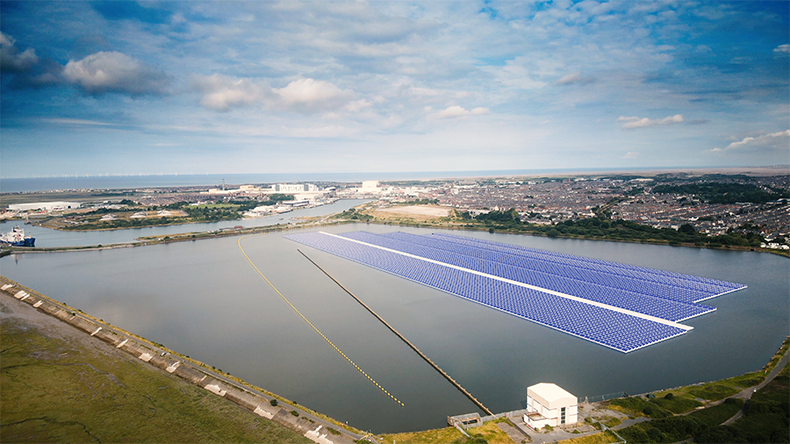
ABP has also become one of the largest corporate producers of solar energy, with solar farms in locations such as Barry and Silloth, and large areas of solar arrays at other locations such as Southampton and across our Humber ports, with many installed on the roofs of our warehouses and terminals. In fact, ABP installed the largest commercial rooftop solar array at our Port of Hull.
In all our ports, we continue to invest and roll out programmes to promote energy efficiency, including the installation of low-energy LED lighting.

Our teams across ABP continuously strive to protect and promote biodiversity. As our ports are located in terrestrial and marine environments, we are committed to protecting biodiversity alongside our port operations. We aim to enhance natural capital within our landholdings to benefit biodiversity, climate change, and local communities.
As a significant landowner, most of ABP’s land is used for commercial purposes, but there are pockets of land within our estate that can be enhanced to provide stepping-stones for habitats and species within the wider landscape. Improved ecological connectivity provides greater ecosystem resilience and maximises natural capital.
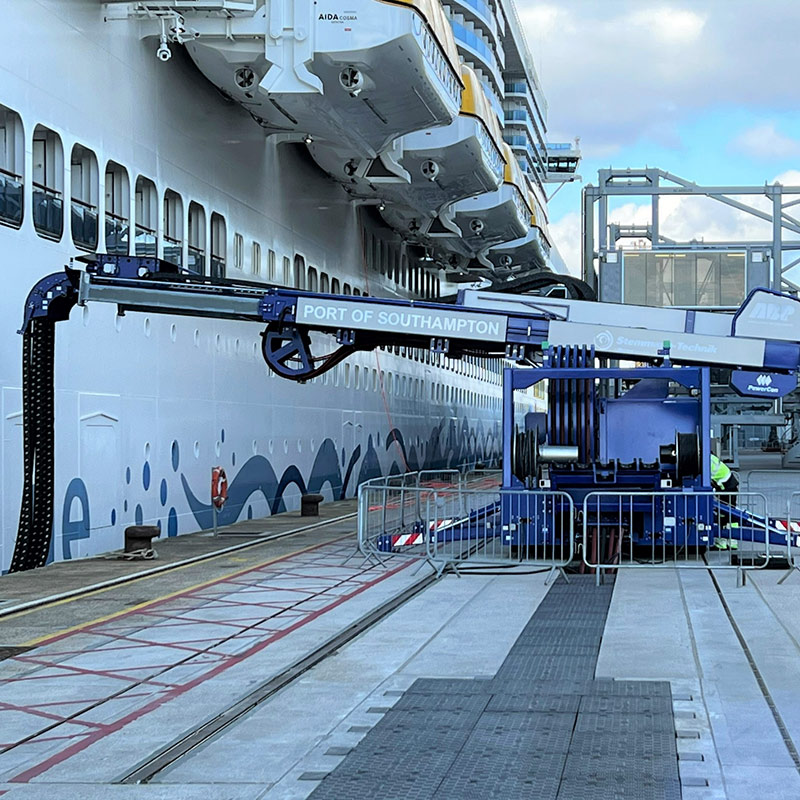
Air quality is measured and regulated separately from GHG emissions and it is of strategic importance for some of ABP’s stakeholders, particularly in ports that are located in close proximity to urban centres, such as Southampton. We have installed one of the largest privately owned networks of air-quality monitoring systems in the UK.
In June 2018, the Port of Southampton was the first ABP port, and one of the first ports nationally, to publish its air quality strategy and it has recently published an update on its achievements and future plans.
Across our ports, ABP is working hard with customers, shipping lines and local communities to deliver improvements in ambient air quality.
Our operations generate different types of waste and we have already made good progress in increasing recycling rates as well as limiting the amount of waste we send to landfills.
Waste directly leads to polluted land, air and oceans. ABP, along with other heavy industrial companies, must play its part in both reducing the amount of waste it creates in the first place, and then reducing the remaining waste that goes to incineration and landfill. To achieve more efficient waste management, we are partnering with our employees and a waste operator to prioritise waste reduction and recycling.
As the climate warms, water will become an ever scarcer resource. ABP’s water pipeline infrastructure is at times showing its age and it is estimated that leaks account for a significant proportion of ABP’s water consumption. To address this, we are increasing our efforts to maintain potable water in the water system.
We aim to improve monitoring of our water usage, reduce the amount of water we consume, and reuse water where possible to decrease water withdrawal. This includes the management and monitoring of water consumption to identify losses in the system and ensure its optimum use.


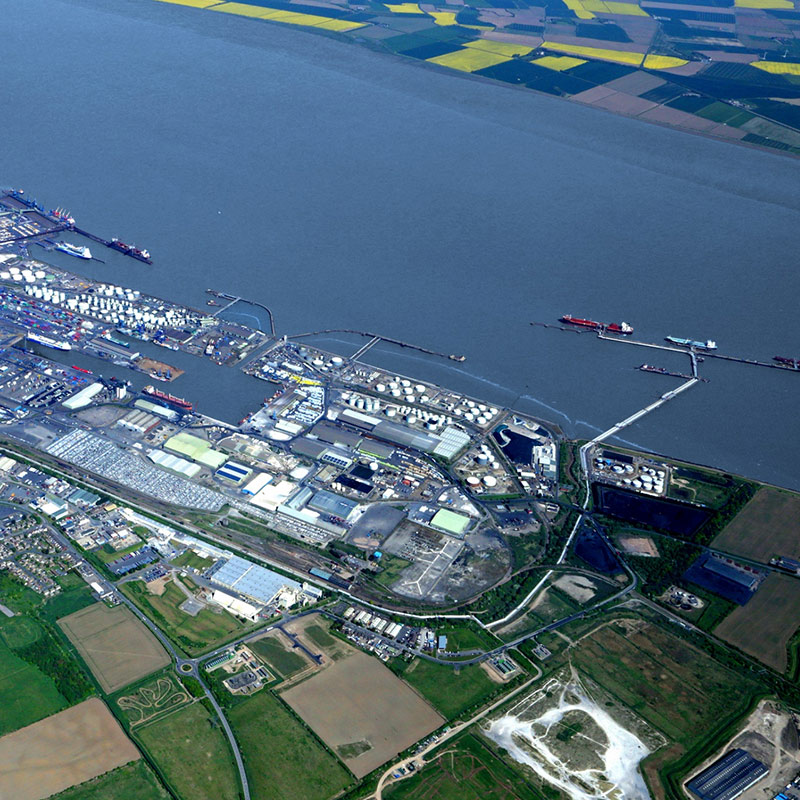
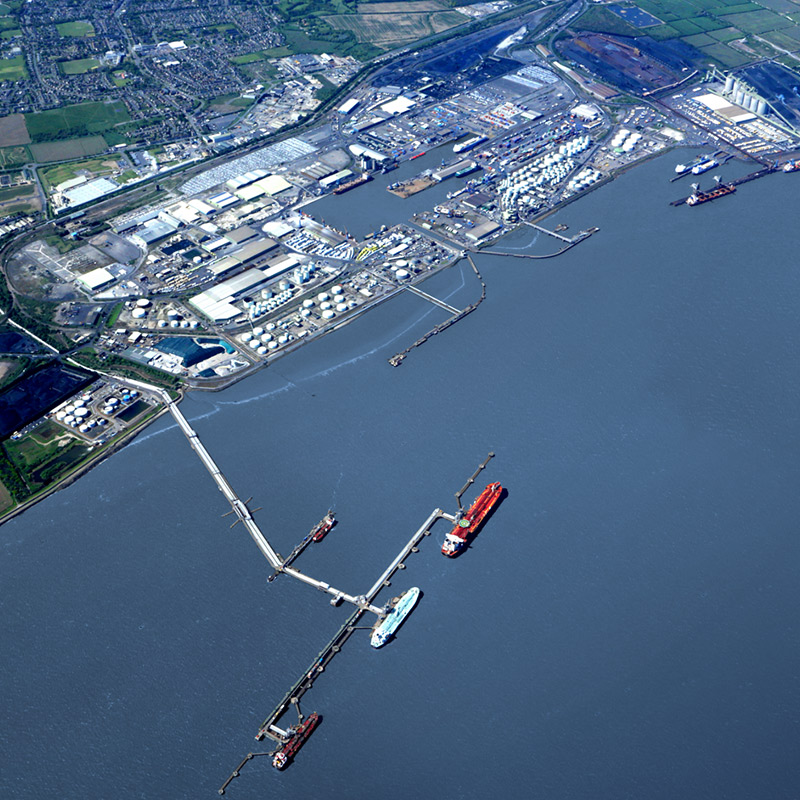
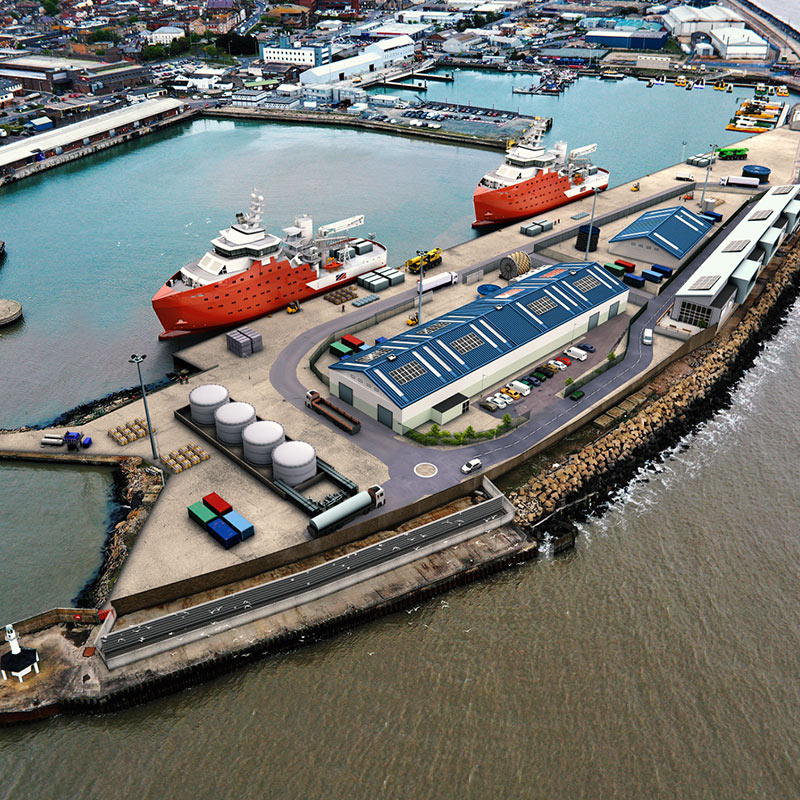
With a network of 21 ports across England, Scotland and Wales, our portfolio of activities and our strong connections with different industries and authorities, ABP is in a unique position to play a pivotal role in delivering a more sustainable UK. That’s through our own activities but also through working with a range of different organisations to share and accelerate progress.
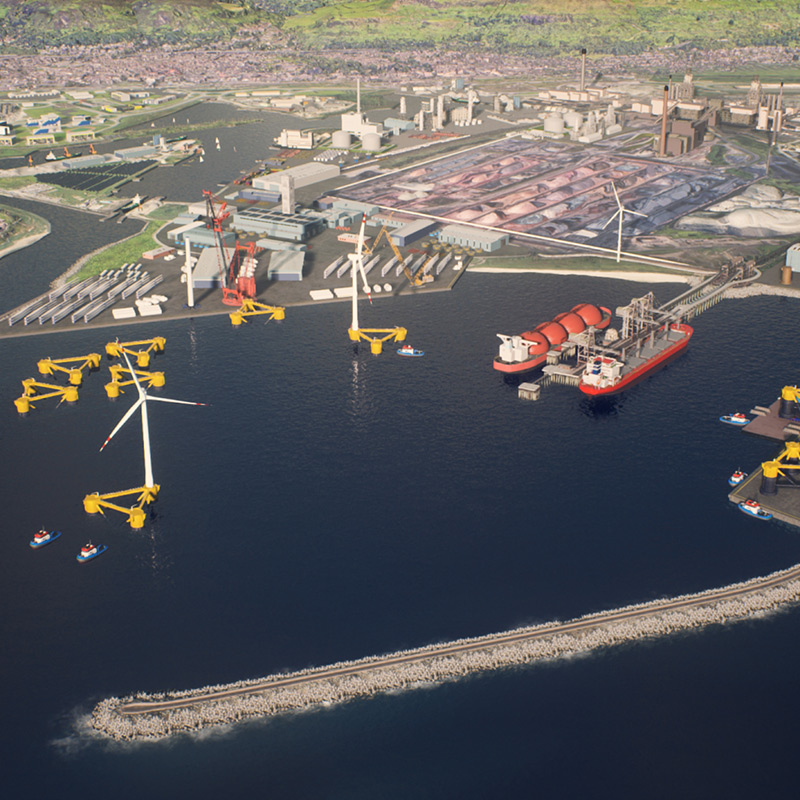
This partnership role covers some of the biggest areas of new opportunity for the UK, such as floating offshore wind. But it also includes addressing some of the hardest to address areas of decarbonisation, such as the sectors in key UK industrial clusters such as the Humber and South Wales, as well as playing our part in dramatically reducing emissions in global shipping.





 /media/m4bhlx1o/solar-array-after-nopqdg.png
2025-11-27 00:00:00
2025-11-27 00:00:00
Approval granted for UK’s largest floating solar energy project at Port of Barrow
/media/m4bhlx1o/solar-array-after-nopqdg.png
2025-11-27 00:00:00
2025-11-27 00:00:00
Approval granted for UK’s largest floating solar energy project at Port of Barrow
 /media/akkd0gbn/wind-turbine-resize-uhrj3q.jpg
2025-10-13 00:00:00
2025-10-13 00:00:00
Public consultation on proposed onshore wind at Port of Immingham
/media/akkd0gbn/wind-turbine-resize-uhrj3q.jpg
2025-10-13 00:00:00
2025-10-13 00:00:00
Public consultation on proposed onshore wind at Port of Immingham
 /media/nwqjwmuu/wilson_eco-plaque-resize-7jnqda-495x400.jpg
2025-09-18 00:00:00
2025-09-18 00:00:00
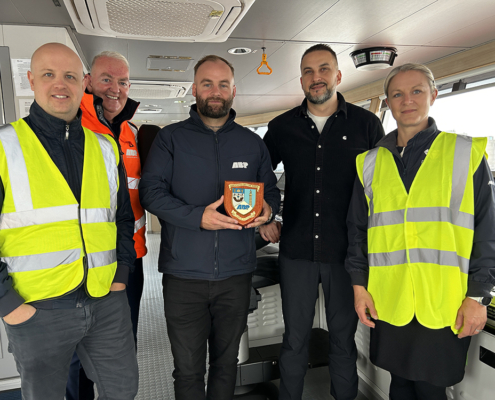
Port of Immingham welcomes Wilson Eco I
/media/nwqjwmuu/wilson_eco-plaque-resize-7jnqda-495x400.jpg
2025-09-18 00:00:00
2025-09-18 00:00:00
Port of Immingham welcomes Wilson Eco I



© 2025 Associated British Ports
All rights reserved